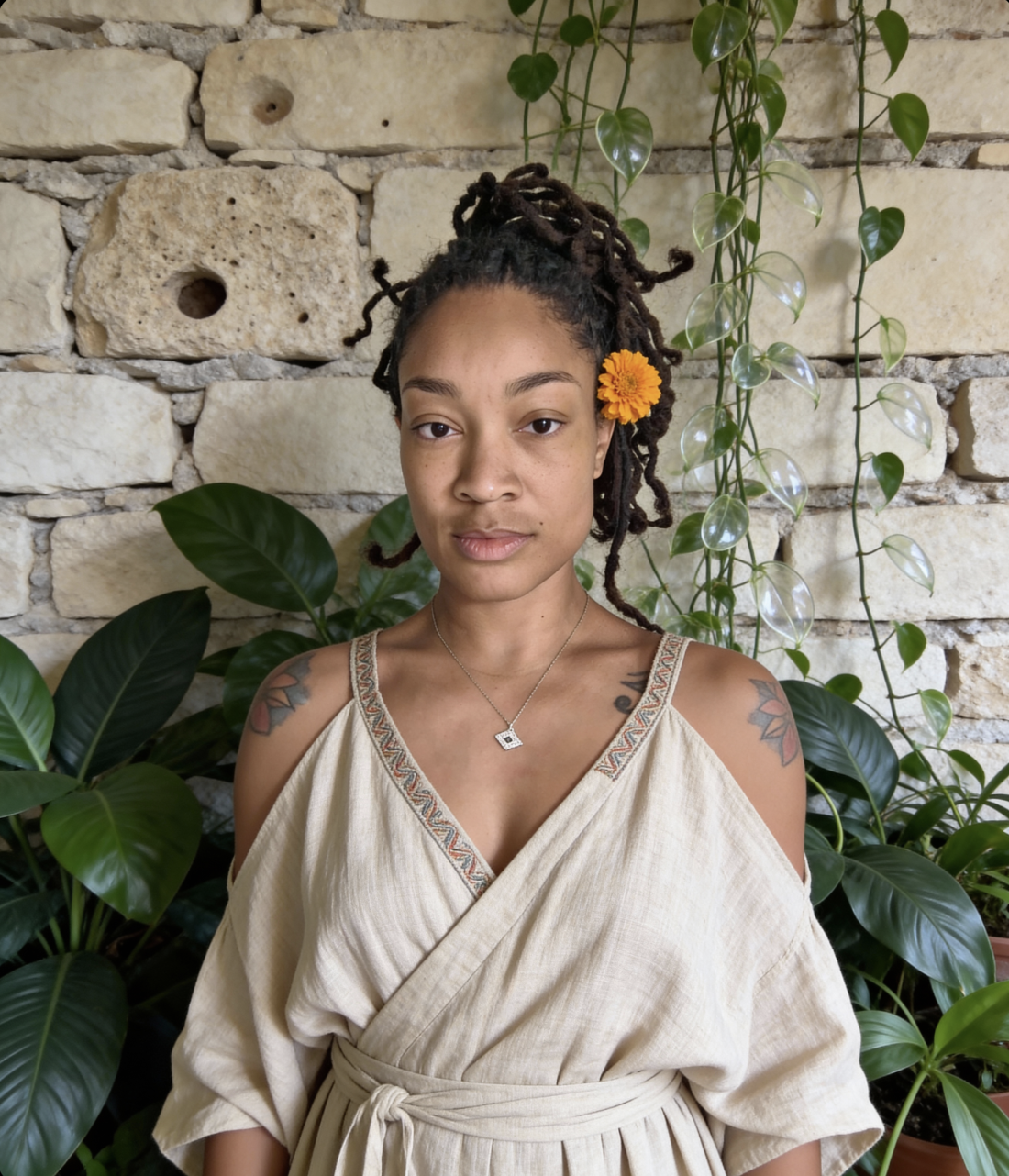
Meet Kiran!
About Kiran Bhagat
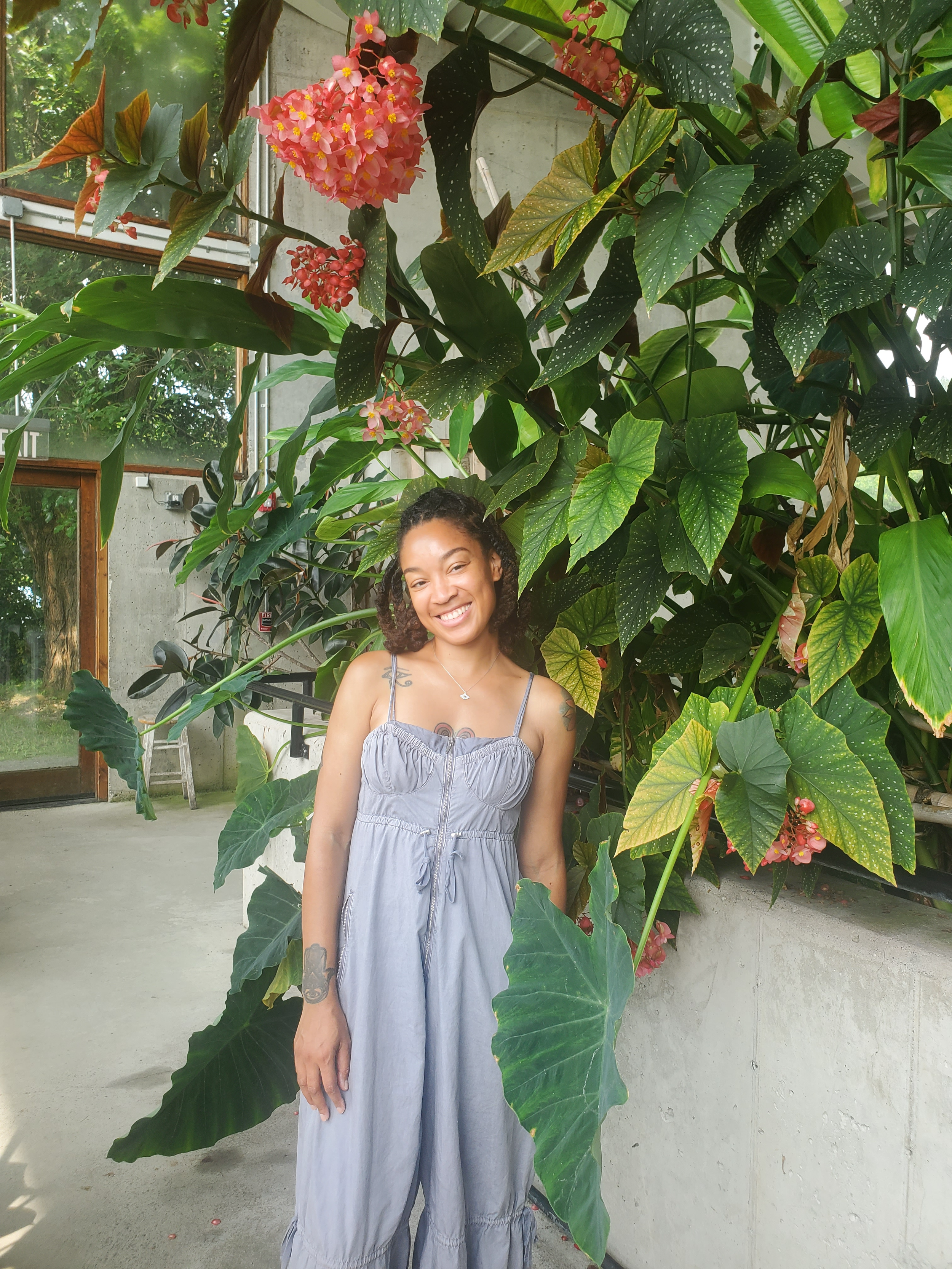
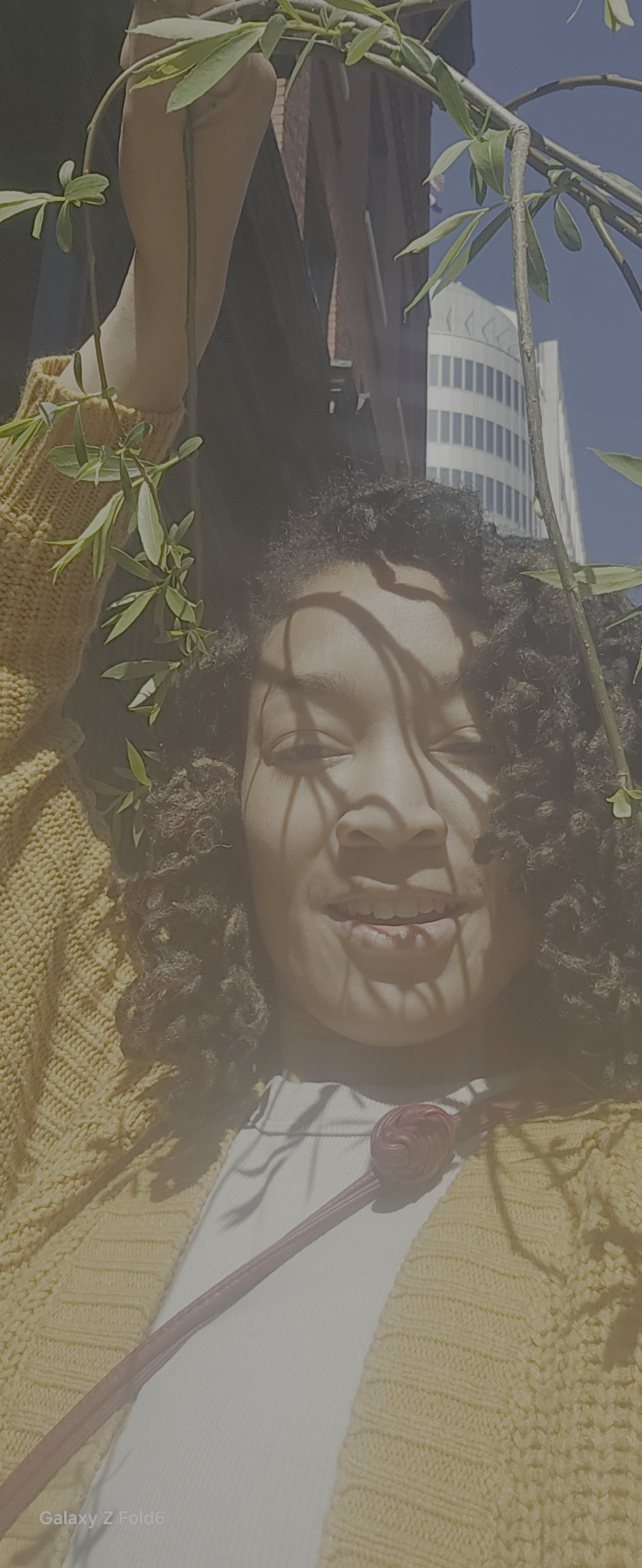
Kiran Bhagat is a Flower Essence Practitioner and Therapeutic Floriculturist rooted in Richmond, Virginia. Their work bridges ancestral memory, restorative practice, and plant spirit medicine. Through their initiative Beyond The Stem, they cultivate spaces where flowers become teachers — guiding individuals and communities back into relationship with land, lineage, and imagination. Kiran approaches flower essence therapy as both subtle medicine and cultural remembering. Their practice integrates Afro-Indigenous frameworks of healing, restorative circle process, somatic awareness, and ecological reverence. They are especially devoted to supporting Black women, creatives, and community leaders in reclaiming their spiritual imagination and sense of belonging through plant relationship. Their work lives at the intersection of liberation, ritual, and floral intelligence.
What brought you to flower essence work?
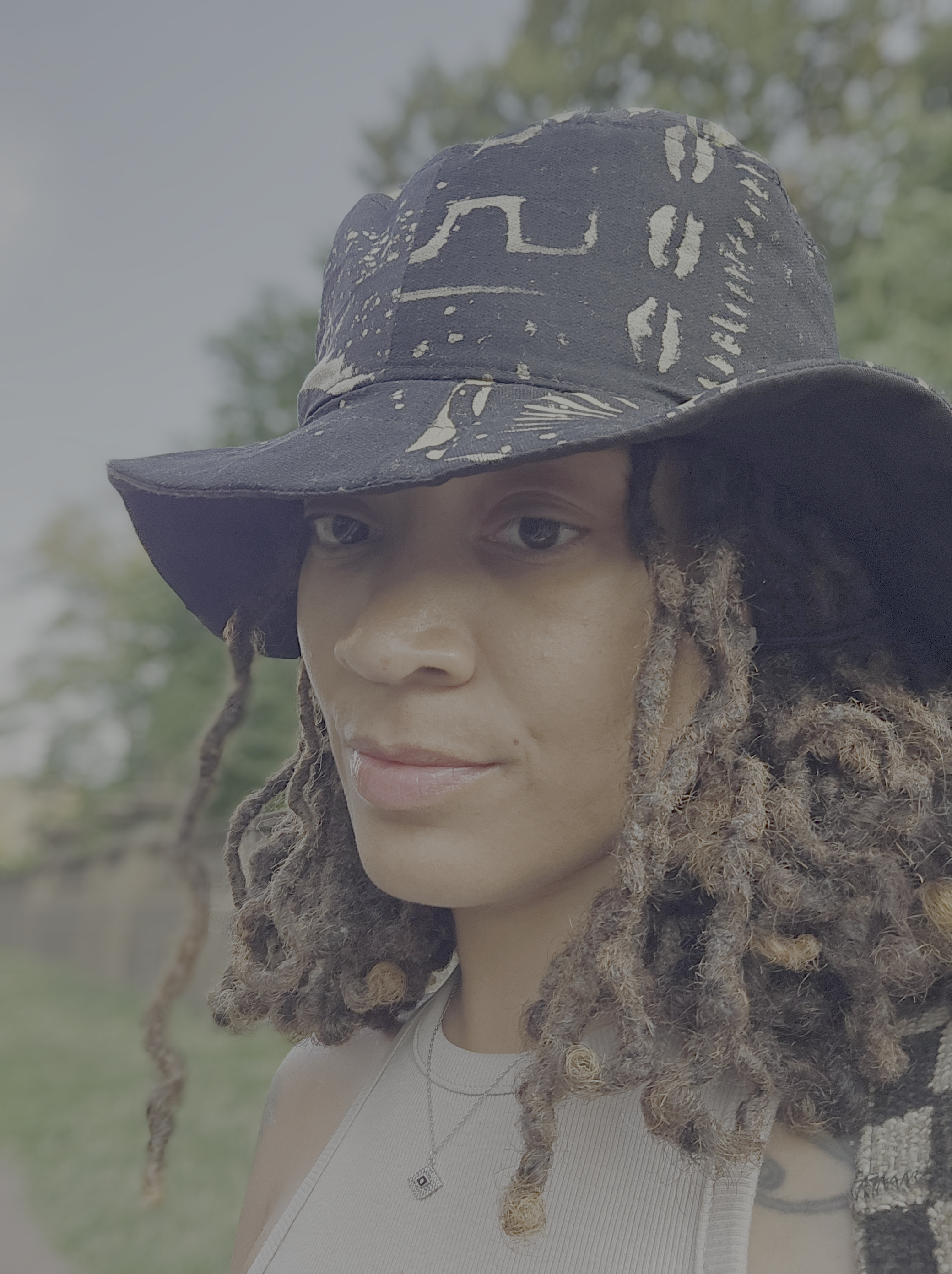
“I' came to flower essence therapy through grief, ancestral inquiry, and a longing to remember what was never fully lost. Flowers met me at a time when I was searching for ways to heal beyond words—beyond analysis—into relationship. As I deepened my study in therapeutic horticulture and restorative practice, I realized that plants were not simply decorative or symbolic. They were active participants in our becoming. Flower essences felt like a language I already knew—subtle, intuitive, relational. They offered a way to tend the invisible layers of experience: memory, imagination, inherited narratives, and longing. Flower essence therapy allows me to support healing that is gentle, dignifying, and rooted in reciprocity with the Earth.”
What wisdom lineages inform your practice?
My practice begins where I began — with my parents, my first teachers in every sense. They were my first yoga teachers, art teachers, music teachers, and spiritual guides. My mother — a doll artist, storyteller, and spiritual anchor — taught me that the handmade holds power, that story is medicine, and that the sacred lives in careful attention. My father brought me into circle process and peace work, modeling racial pride and healing as a way of life. I was born into wholistic awareness — into the understanding that healing and justice are not separate. That is the root lineage. Everything else grows from there. My formal flower essence training is rooted in the Spirit Seed 500-Hour Practitioner Certification Program, which weaves plant medicine with ancestral knowledge, ecological reciprocity, and liberation psychology. I am currently in clinical residency, offering community-based flower essence support as I complete certification. My therapeutic horticulture training comes through NC State and is held in conversation with land-based wisdom traditions that long predate Western wellness models. Trauma-informed yoga and somatic practice ground my understanding of how the body carries what words cannot reach — and why consent and pacing are central to any real healing relationship. I am deeply nourished by Black and Indigenous scholars who refuse extractive models of care and re-root healing in land, culture, and memory. Zora Neale Hurston’s devotion to folklore, ethnography, and the sacred intelligence of Black Southern life reminds me that cultural memory is a form of medicine. Octavia Butler remains a visionary ancestor — her imagination a map for the worlds we are still building.

What flower essence has deeply impacted you?
One flower essence that has been deeply meaningful to me is Black-Eyed Susan (Rudbeckia hirta). This plant is native to North America and is associated with several Indigenous Nations, including the Cherokee, who traditionally used it medicinally (particularly the roots) for colds and earaches. As an essence, Black-Eyed Susan has supported me in gently bringing unconscious patterns into awareness—especially inherited narratives around visibility, voice, and self-trust. It feels like a plant of dignified awakening. Rather than exposing with harshness, it illuminates with warmth. Working with this flower helped me notice where I had internalized silence and choose expression instead. It continues to teach me about courage, clarity, and standing rooted in one’s own light.
Check out Kiran’s in-depth plant study on Black Eyed Susan!